

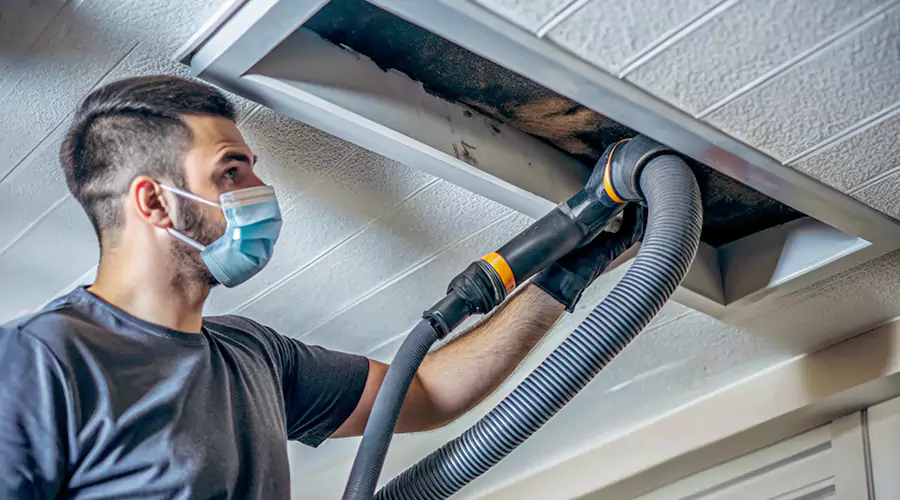
To prepare your home for air duct cleaning, clear access to supply and return vents, make the HVAC equipment accessible, move fragile belongings away from work areas, and secure pets before the technicians arrive. You should also confirm which parts of the system will be cleaned and discuss any existing duct damage or moisture problems with the contractor.
Professional air duct cleaning involves specialized vacuum equipment, hoses, and tools that technicians use to remove accumulated dust and debris. The work may require access to ceiling registers, floor vents, return grilles, and the furnace or air handler. Preparing these areas helps the crew work safely and reduces unnecessary interruptions.
Homeowners do not need to dismantle their HVAC systems before a cleaning appointment. Most preparation involves organizing the surrounding rooms and sharing information about the system. Understanding what technicians need can make the appointment more convenient.
Why Is Preparing for Air Duct Cleaning Important?
Air duct cleaning may involve moving equipment between rooms and accessing several parts of the heating and cooling system. Furniture, stored items, or fragile decorations can make these areas difficult to reach. Clearing reasonable working space allows technicians to focus on the cleaning itself.
Preparation also helps protect household belongings. Although professional companies should use appropriate containment and protective measures, keeping vulnerable items away from active work areas reduces the chance of accidental damage. The Environmental Protection Agency (EPA) recommends that duct cleaning providers protect household furnishings and prevent collected contaminants from spreading into occupied rooms.
Air Duct Cleaning Preparation Checklist
| Preparation Task | What You Should Do |
|---|---|
| Supply registers | Remove nearby furniture and obstructions |
| Return grilles | Keep the surrounding area accessible |
| Furnace or air handler | Clear stored belongings and maintenance access |
| Fragile decorations | Move breakable items away from work zones |
| Pets | Arrange a safe room away from technicians |
| HVAC concerns | Report unusual odors, moisture, or damaged ducts |
| Cleaning agreement | Confirm included components and total price |
| Equipment access | Discuss parking, entrances, and electricity needs |
| After-service review | Arrange to inspect the completed work |
These tasks usually require limited preparation. The cleaning company should explain any additional access requirements before the appointment.
Confirm the Cleaning Scope Before the Appointment
Start by reviewing the service agreement. Ask whether the company will clean supply ducts, return ducts, registers, plenums, and applicable HVAC components. A quote covering only visible vent openings is different from a full-system cleaning.
Confirm the agreed price and how additional work will be approved. Some companies charge separately for duct repairs or specialized contamination removal. A written scope helps prevent misunderstandings once technicians arrive.
Clear Access to Supply and Return Vents
Walk through the home and locate accessible air registers and return grilles. Move furniture, rugs, baskets, and other objects that block them. The technicians need enough working space to remove covers and position cleaning tools safely.
Pay particular attention to floor registers beneath furniture and return grilles behind cabinets. Ceiling vents may require ladder access, so keep the floor beneath them reasonably clear. Do not remove difficult covers yourself unless the contractor specifically requests it.
Make the HVAC Equipment Accessible
Locate the furnace, air handler, and related service areas. These components may be in a basement, attic, garage, closet, or utility room. Remove stored items that obstruct access to the equipment.
A professional cleaning service may need to reach the supply and return plenums and suitable service openings. Do not open electrical panels or equipment cabinets yourself. If attic or crawlspace access is difficult, notify the contractor before the appointment.
Protect Furniture and Fragile Belongings
Move delicate decorations, electronics, and valuable objects away from areas where technicians will work. Covering especially sensitive belongings may also be appropriate. The service provider should use its own protective procedures for floors and furnishings.
You do not ordinarily need to empty every room. Concentrate on spaces near vents and the HVAC equipment. Ask the contractor how much clearance is needed before moving heavy furniture.
Arrange a Safe Space for Pets and Children
Cleaning equipment can be noisy, and technicians may move hoses and tools through several rooms. Pets may become frightened or try to approach the work area. Keep them in a separate, comfortable location throughout the appointment.
Children should also remain away from active work areas. Discuss any special household needs with the company in advance. If the service involves unusual contamination or approved chemical treatment, ask whether additional occupancy precautions apply.
Tell the Technicians About Existing Problems
Before cleaning begins, explain any concerns involving unusual odors, previous water leaks, pest activity, or damaged ductwork. This information can help the technicians identify areas requiring inspection.
The EPA advises that suspected asbestos-containing materials should not be disturbed during ordinary duct cleaning. Wet or moldy fiberglass duct insulation may also require replacement rather than cleaning. Let the company know about any older insulation or previous contamination findings. A cleaning appointment should not proceed through potentially hazardous materials without appropriate assessment.
Discuss HVAC Shutdown and Filter Handling
Ask whether the system should be turned off before the technicians arrive. The cleaning company should manage equipment operation during the service according to its procedures. Avoid opening the air handler or disconnecting ducts yourself.
Discuss whether the existing air filter will be inspected or replaced. A clogged filter may need replacement under the equipment manufacturer's maintenance instructions. Confirm whether a new filter is included in the cleaning price or supplied separately.
Confirm Equipment Access and Parking
Professional cleaners may use portable vacuum equipment or a truck-mounted collection system. Ask where the technicians need to park and whether they require access to an outdoor entrance or electrical outlet.
Keep entrances and hallways clear enough for equipment movement. If your property has limited parking, security restrictions, or narrow access points, explain these conditions beforehand. Early communication can reduce avoidable delays.
Plan for the Final Inspection
Before the appointment, ask the company how it will demonstrate that the cleaning has been completed. The EPA recommends visually checking cleaned components and reviewing its post-cleaning consumer checklist.
Request photographs of areas that are difficult to inspect directly, where practical. After cleaning, verify that registers and service covers are secure and that any temporary access openings have been properly closed.
What Should You Avoid Before Air Duct Cleaning?
You should not spray chemicals, fragrances, or disinfectants into the ducts before the visit. These products may be unsuitable for HVAC materials and are not a replacement for mechanical debris removal.
Avoid removing duct insulation or attempting to clean concealed areas with household tools. Flexible liners and fiberglass materials can be damaged by aggressive handling. Leave specialized cleaning and equipment access to the technicians.
Also avoid arranging other dusty renovation work at the same time. Fresh construction debris can contaminate the system during or immediately after cleaning.
Do You Need to Leave Home During Air Duct Cleaning?
Homeowners can often remain home during ordinary mechanical duct cleaning. However, individual rooms may be temporarily unavailable while technicians work. The company should explain any access limitations in advance.
If the contractor proposes chemical treatments, review their purpose and safety instructions before agreeing. The EPA recommends understanding the potential benefits and risks, and additional precautions may be appropriate during application.
Conclusion
Preparing for air duct cleaning mainly involves making vents and HVAC equipment accessible, protecting belongings, and arranging a safe environment for pets and children. Homeowners should also confirm the service scope and communicate existing duct concerns. There is usually no need to dismantle HVAC components or perform extensive cleaning beforehand. A clear preparation plan helps technicians complete the agreed service and makes the final inspection easier.